
Current Classes*
CRE349H1H Fall 2026
Special Topics in Creativity: Creative Destruction
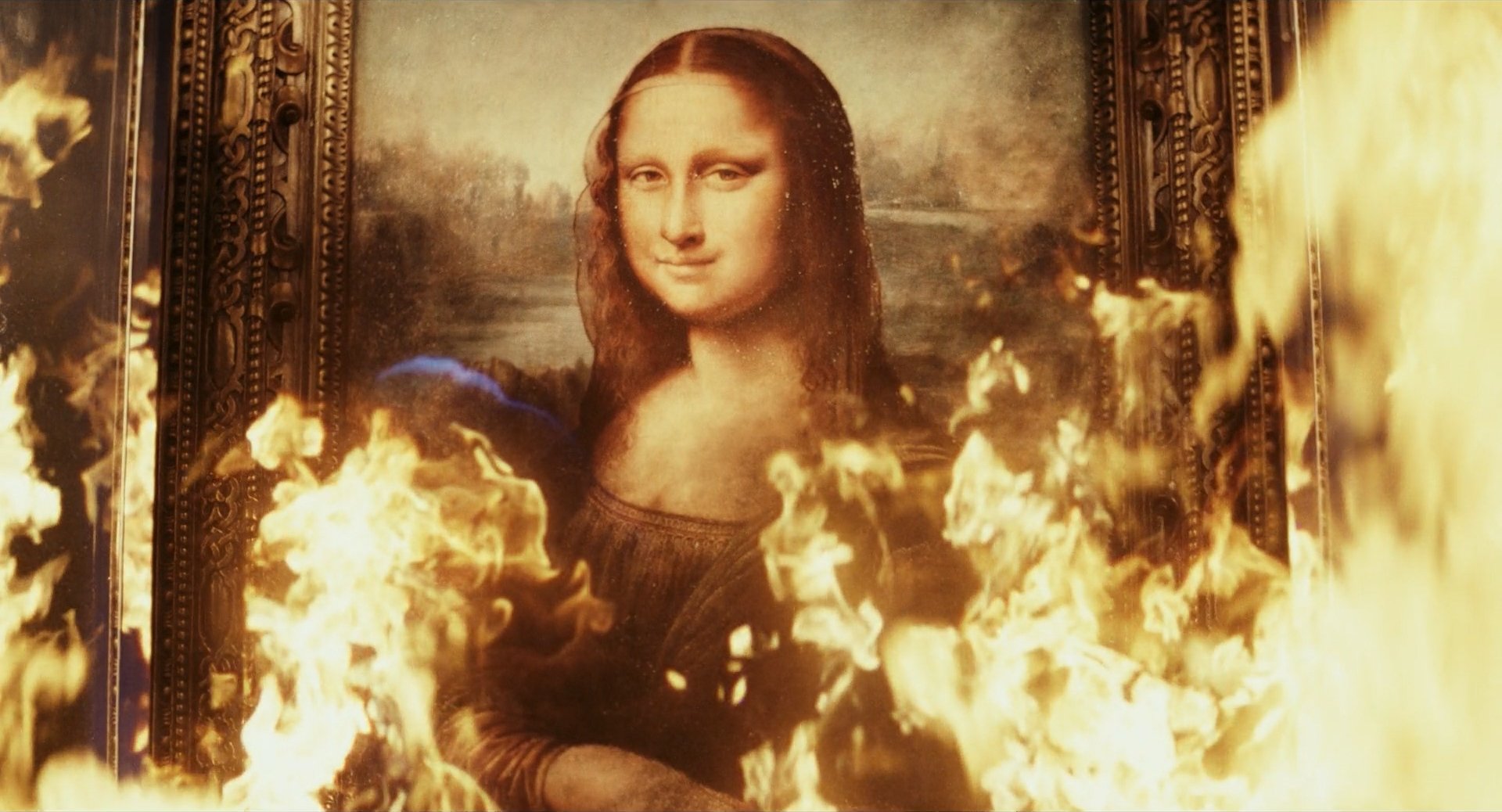
“There is a great negative work of destruction to be accomplished,” said the Romanian-born poet Tristan Tzara in the Dada Manifesto of July 1918. “Destroy the Museums,” agreed Russian poet Vladimir Kirillov. “This is not a book,” wrote American Henry Miller in a 1934 novel. “This is a gob of spit in the face of Art.” “With me,” the Spanish painter Pablo Picasso told a critic the next year, “a picture is a sum of destructions. I make a picture, and proceed to destroy it.”
For all their claims to newness, the avant-garde did not invent our affection for broken things or our equal affection for breaking them: modern artists simply made visible the reciprocal relation between destruction and creation that has been at the core of the human imagination for as long as we have been using it. This course explores that relationship in some of that history, focussing on modern and postmodern artists as destroyers—iconoclasts and vandals—and the aesthetics of destruction.
ENG350H1F Fall 2026
Early Canadian Literature
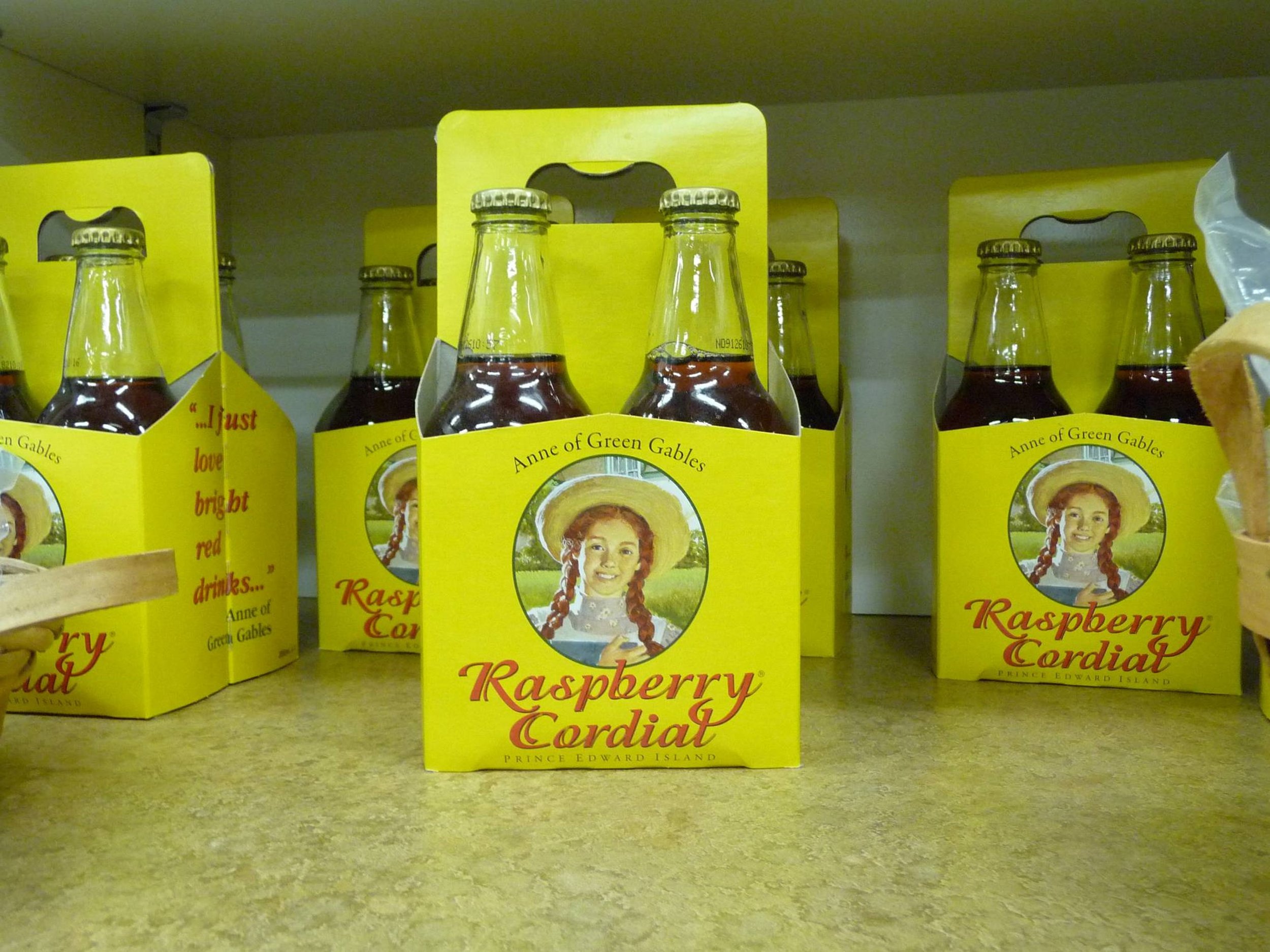
According to the most well-known literary critic Canada has yet produced, early Canadian literature is “as innocent of literary intention as a mating loon.” Perhaps—but literature’s intentions were not always literary. Through fiction and poetry, this course explores the literary and extra-literary intentions of literature in Canada up to the First World War.
*On research leave Jan to June 2027
Past Classes

ENG140Y
Literature for Our Time
This course explores how recent literature in English responds to our world in poetry, prose, and drama. In the fall term we’ll visit some famous landmarks of early and mid-twentieth-century literature: London Bridge on a winter morning, a lighthouse off the west coast of Scotland, a bus stop in Monterey, and a wave-washed beach in South America, among others. In the spring term, our guides will be closer to our own time, living writers and more recent books. In both terms, emphases will include literature’s reasons for being, its formal qualities, historical context, relation to other media, and relevance to our moment in time.

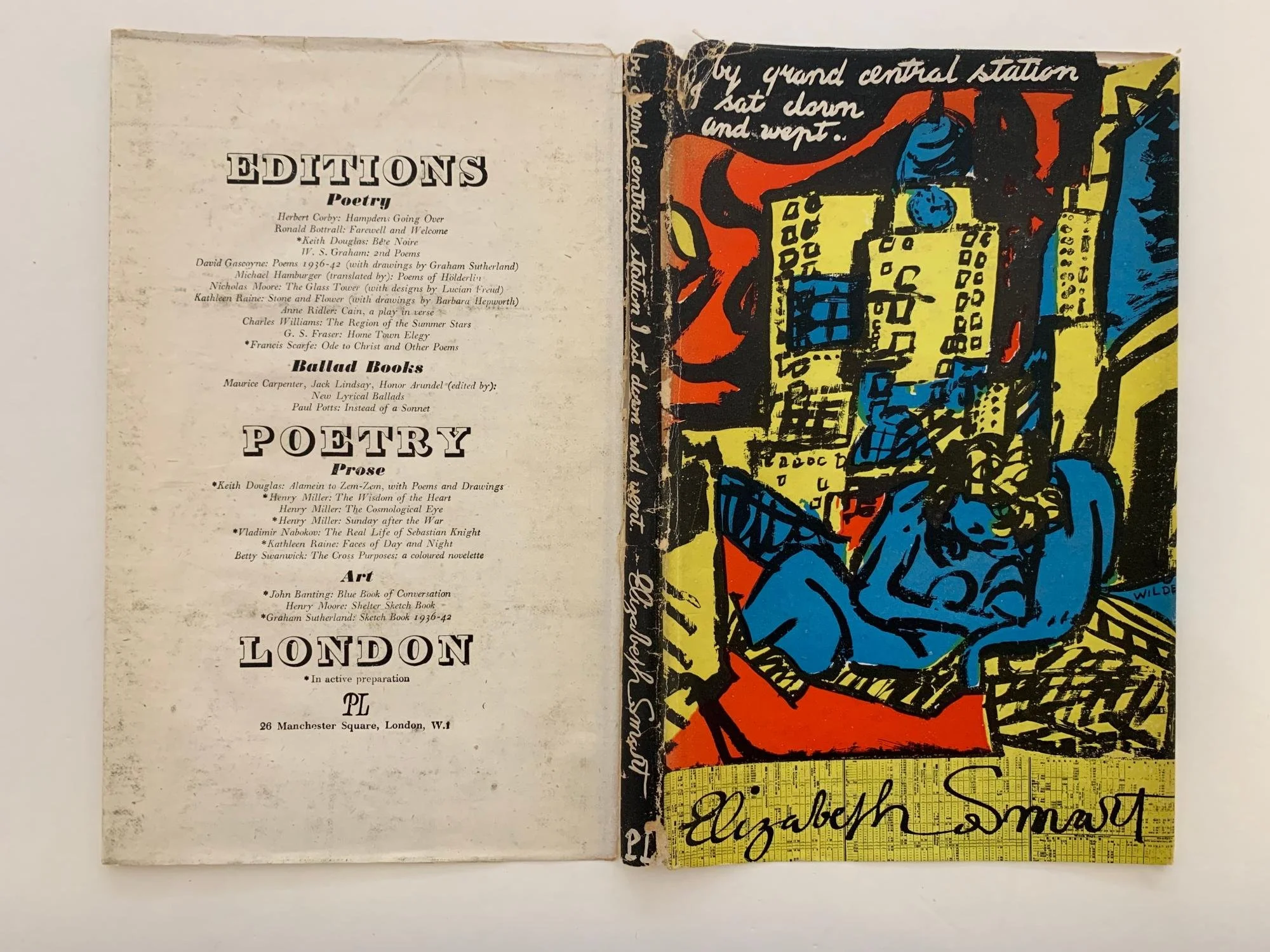
This introduction to Canadian literature provides literary and historical context for a small selection of stories from a very long history of telling stories. Mostly, we’ll read and talk about novels, about one every two weeks, with recent poems scattered along the way. Expect tears in a train station, child monsters, mad jazz, junkies and pimps in Montreal, and a shipwreck in Greece.
ENG252H
Introduction to Canadian Literature
ENG267H
Literature & Criticism: An Introduction
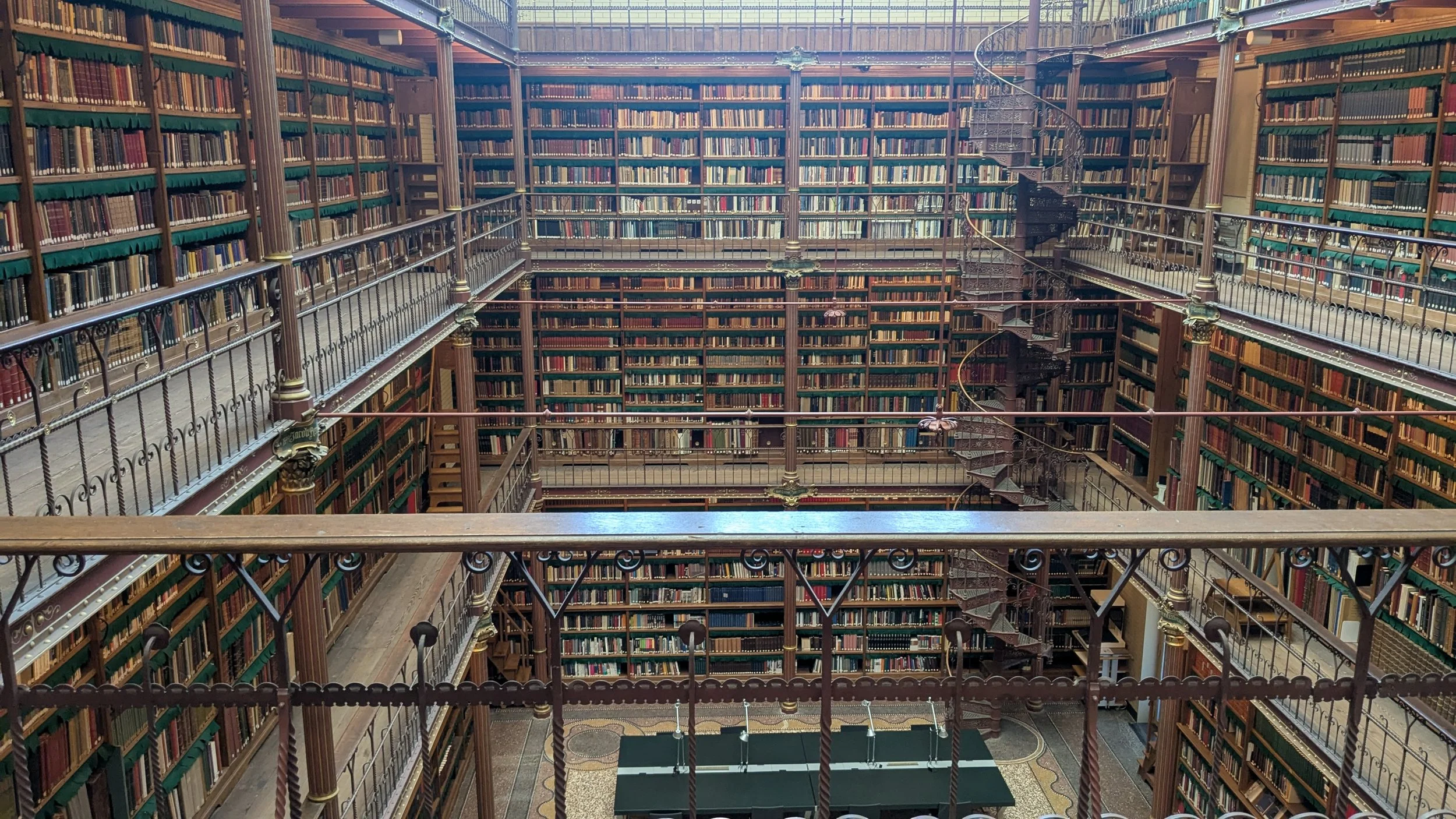
A short but intensive introduction to some of the central theoretical questions that literature has provoked over the last two and half millennia: What is literature? What is it good for? (Can it mend a broken heart, or guide a people towards freedom?) How do we read it, and how do we judge it? This course will survey some landmark answers to these and other questions about literature; it will also test these answers against some actual literary works. Most important, the course aspires to help serious students of literature acquire the critical skills and vocabulary necessary to form their own answers to these perennial questions.
ENG353Y
Canadian Fiction
This course explores Canadian fiction from the end of the last World War to last year. Expect tears in a train station, crazy cottagers, mad jazz, bombs in Beirut, and a cross-country bike trip with a pedophile. Mostly, we’ll read and talk about novels, about one every two weeks. In between, we’ll read short stories by finalists for this year’s Journey Prize for emerging writers.
ENG382Y
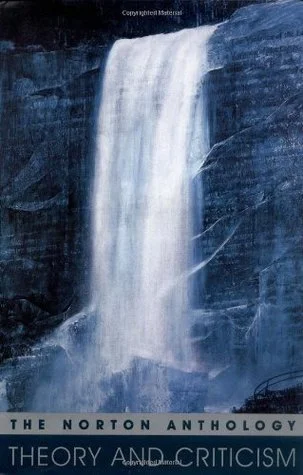
Contemporary Literary THeory
“Criticism,” said T.S. Eliot in 1919, “is as inevitable as breathing.” In the century that followed, the institutionalization of literary studies turned the inevitable, perhaps inevitably, into an industry. Driven by discoveries in linguistics, philosophy, psychology, the social and political sciences, and occasionally even literature, literary criticism became literary theory, a universal science of all words instead of an individual response to some words. Criticism, Inc. (John Crowe Ransom) became Theory Global-Hyper-Mega Corp. (Homer Simpson). Oddly, just at the moment when literary criticism turned universal, its language turned specialized. Not since the Catholic Church kept Latin to itself has so much been claimed in a language that can be understood by so few, perhaps for much the same reasons. Theorists like Jacques Derrida and Judith Butler will test the limits of our ability to understand the written word. Predecessors like Kant and Heidegger are no walk in the park either, not unless your idea of a walk in the park is rather more German than mine. So, fair warning: this course won’t be easy. But I hope you will find it rewarding, both for itself and for what light it might cast on your studies, maybe your life, outside this class. Theory is about putting the pieces together—even if only, as Derrida does, to pull them apart again.

Undergrad/Grad Seminar
The CanLit Boom of the 1960s
Canada saw a literary explosion in the 1960s unlike anything this country had ever experienced before. The long decade between the late 1950s and the mid-1970s saw the emergence of some of the best-known names in Canadian literature, including Margaret Atwood, Marie-Claire Blais, George Bowering, Leonard Cohen, Mavis Gallant, Margaret Laurence, Dennis Lee, Alice Munro, Michael Ondaatje, Al Purdy, Mordecai Richler, and Michel Tremblay, among others. An outgrowth of my book Arrival: The Story of CanLit (Anansi, 2017), this seminar explores the principal causes, products, and legacies of the CanLit Boom of the 1960s.
Grad Seminar
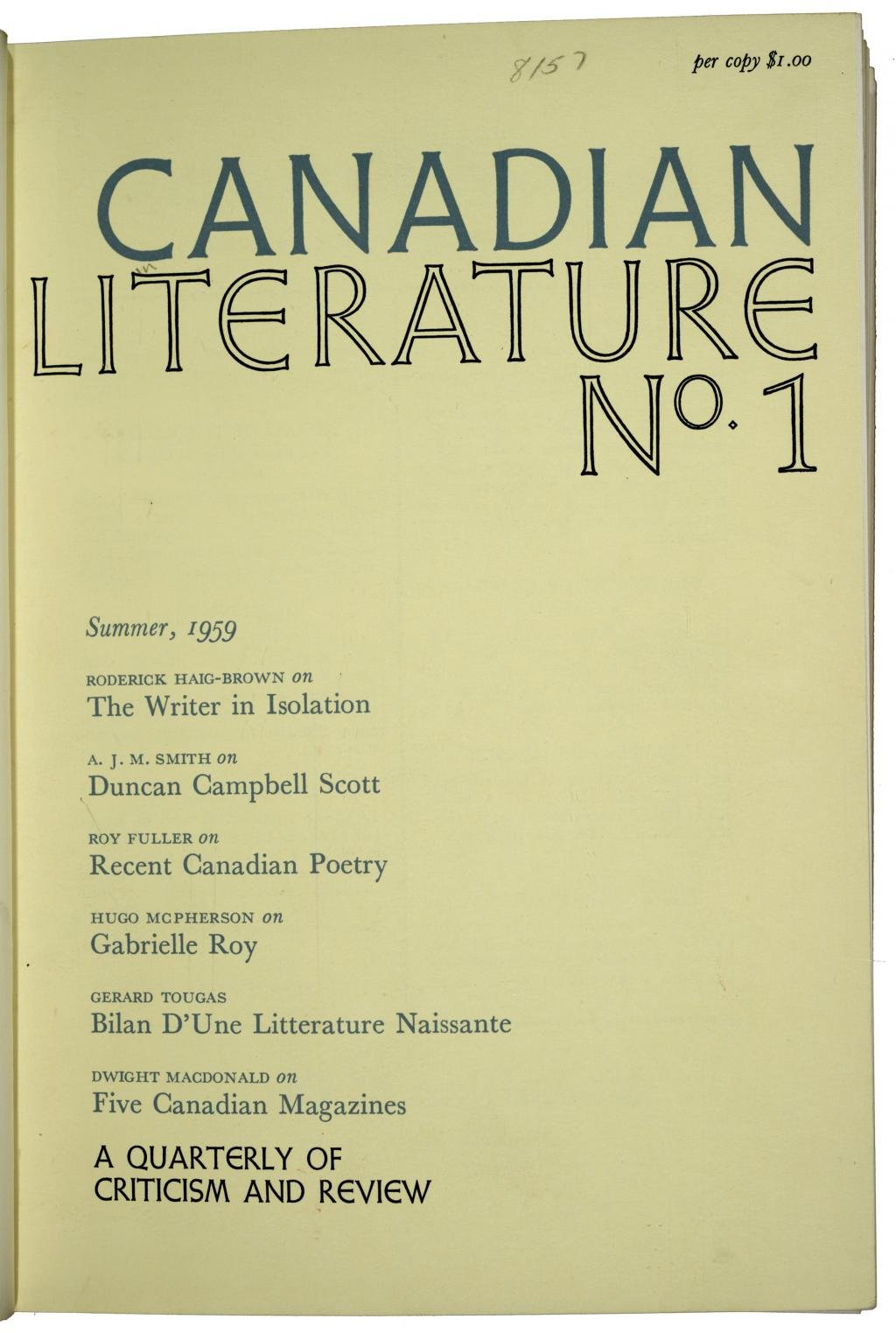
1959: A Year in Canadian Letters
Three of the ten books voted the most important Canadian novels to date at the 1978 Calgary Conference on the Canadian Novel were published in 1959: Mordecai Richler’s The Apprenticeship of Duddy Kravitz, Sheila Watson’s The Double Hook, and Hugh MacLennan’s The Watch That Ends the Night. That year also saw the launch of the first quarterly entirely devoted to criticism of Canadian literature, George Woodcock’s Canadian Literature, and of the “only Canadian literary magazine west of Toronto,” Jan de Bruyn’s Prism. Reginald Watters finished his massive Check List of Canadian Literature, and Mavis Gallant and Marie-Claire Blaise published their first novels. The recently created Canada Council for the Arts took over the Governor General’s Literary Awards from the Canadian Authors’ Association, awarding its first prizes to MacLennan’s Watch and Irving Layton’s A Red Carpet for the Sun. This course will attempt a recreation of one year in the life of Canadian literature and literary culture. My choice of year isn’t entirely arbitrary: any year would satisfy the course’s methodological goals, but 1959 marks a particularly energetic confluence of creative, academic, and political efforts to create, explain, and promote Canada’s developing literature. Subject to availability, we’ll read all of the since recognizably important Canadian works of fiction and poetry published in 1959. Working from the postulate that no national literature, least of all Canadian, develops in isolation, we’ll also read a selection of non-Canadian works that left a mark upon North American literary culture of 1959: Roth’s Goodbye Columbus, Nabokov’s Lolita, Lowell’s Life Studies, etc. Finally, each student will be responsible for studying and reporting on the year’s issues in one literary and/or critical periodical, primarily Canadian. The number of periodicals will be determined by registration, but expect to choose from among reviews and journals such as Canadian Literature, Prism, Delta, The Fiddlehead, Quill & Quire, the New York Times Book Review, the Tamerack Review, Saturday Night, etc.
Grad Seminar
The Return of the Beautiful
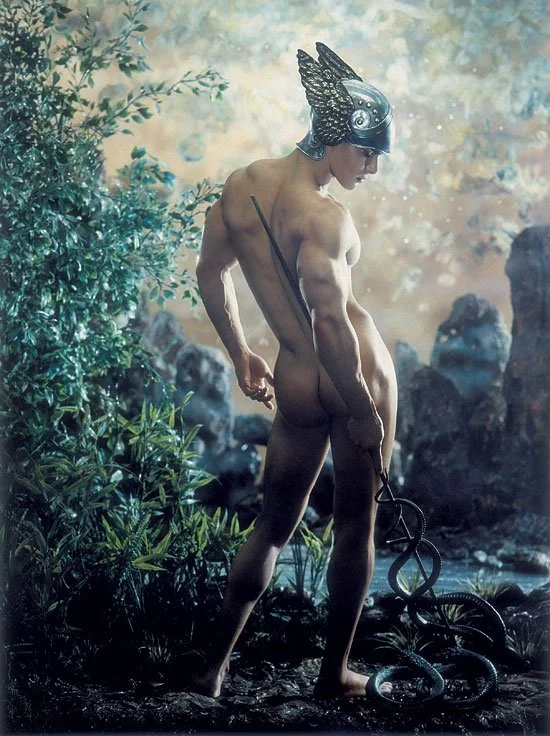
Exiled to the wilderness of history by artists and critics alike, beauty has staged a recent comeback in talk about art, if not yet art itself. Witness, for instance, Bill Beckley’s Uncontrollable Beauty (1998), Elaine Scarry’s On Beauty (1999), Isobel Armstrong’s The Radical Aesthetic (2000), Wendy Steiner’s Venus in Exile (2001), John J. Joughin’s and Simon Malpas’s anthology, The New Aestheticism (2003), Arthur Danto’s The Abuse of Beauty (2003), and Alexander Nehamas’s Only a Promise of Happiness: The Place of Beauty in a World of Art (2007). The course will begin by reviewing classic Western aesthetic theory through selected readings in Hume, Kant, Schiller, and Hegel. We will then read critical accounts of classic aesthetics by Jacques Derrida and Terry Eagleton before turning our attention to recent attempts to save beauty from the epistemological and political cul-de-sacs of postmodern critique. If there is a New Aestheticism, what is it, and what does it value?
Grad Seminar
Professing Literature
Required of and limited to Year II doctoral students, this seminar provides a practical introduction to university teaching. It is designed (a) to practice planning and preparing effective undergraduate courses; and (b) to foster specific teaching skills such as setting and grading assignments, leading discussions, preparing and delivering lectures, using technology in the classroom, interacting with students, etc. Along the way, the course aims to generate discussion not just about how we should best teach English, but what we should teach, to whom, and why. The instructor and guest faculty will address the course’s practical and theoretical concerns, but most of its lessons will be learned from our discussions.
Grad Seminar
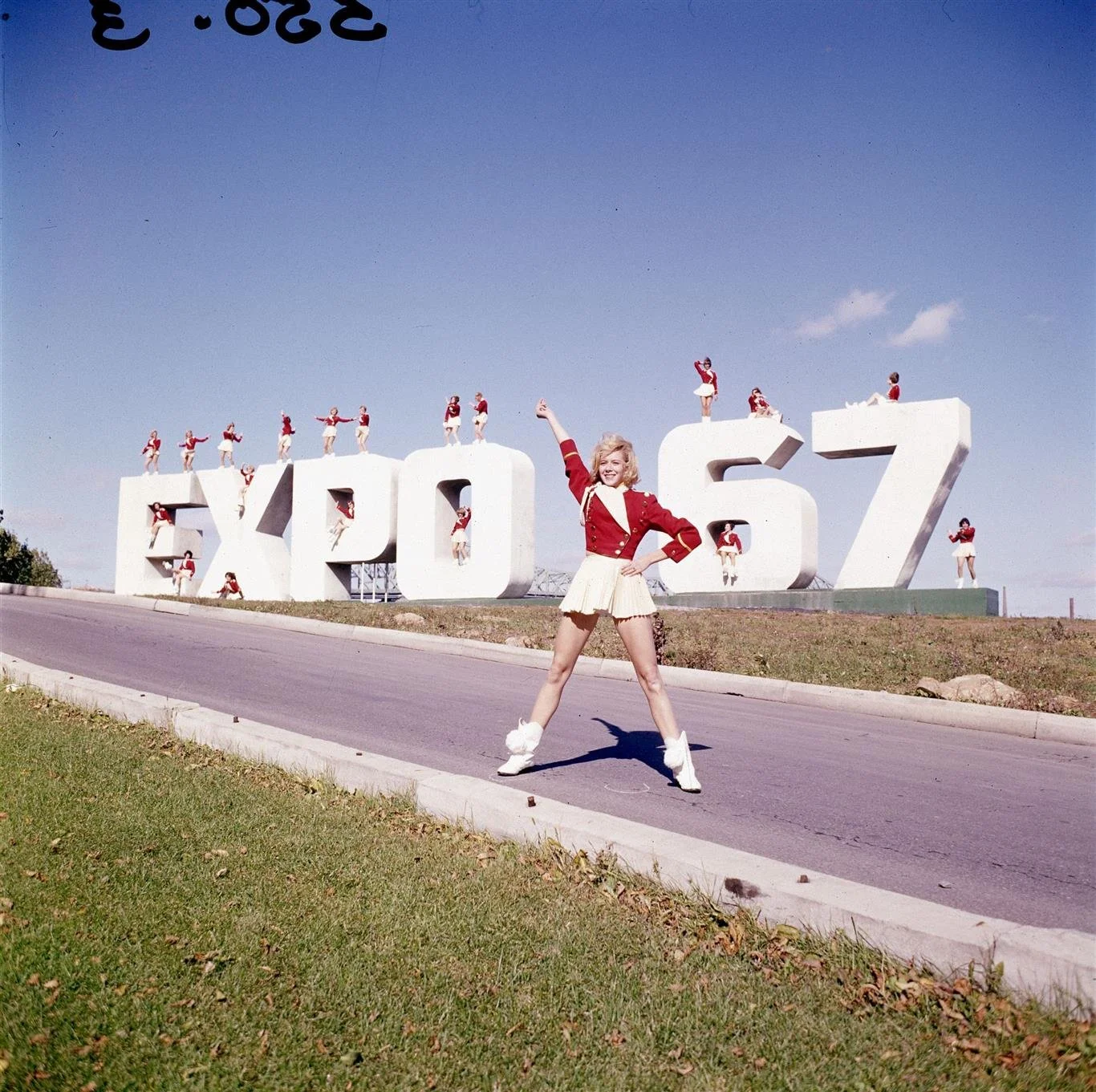
1967: A Year in Canadian Literature
This course attempts to recreate one year in the life of Canadian literature and literary culture. My choice of year isn’t entirely arbitrary: any year would satisfy the course’s methodological goals, but 1967 marks an especially energetic confluence of Canadian literature with Canadian nationalism, including the birthday party in Montreal, the founding of Talonbooks in Vancouver and the House of Anansi in Toronto, the writing of Dennis Lee’s Civil Elegies, the publication of bp Nichol’s first “book,” and the international explosion of Marshall McLuhan. Because no national literature, perhaps least of all Canadian, develops in isolation, we’ll also read a selection of non-Canadian works that Canadians were reading and talking about that year, like Desmond Morris’s The Naked Ape, Angela Carter’s The Magic Toyshop, and Richard Brautigan’s Trout Fishing in America.
Undergrad/Grad Seminar
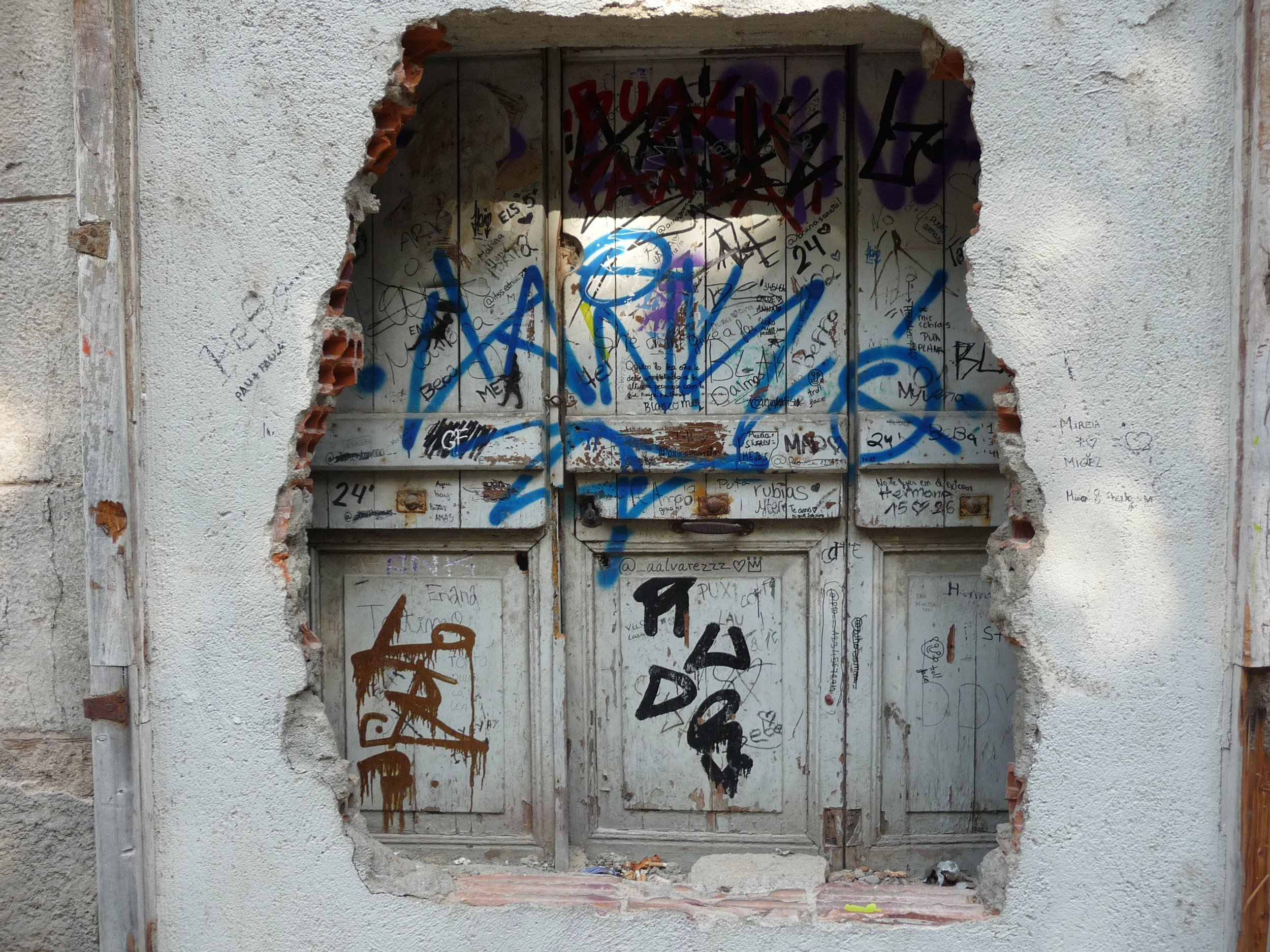
Representing Vandalism
Marking walls, defacing monuments, burning books, blowing up statues, breaking windows…for as long as humans have created things, they have also willfully defaced and destroyed them. What is vandalism? Who does it, and why? Does vandalism also create? Can a transhistorical, humanist approach to vandalism offer new perspectives on old and new forms of vandalism that period-specific historians and social scientists may have missed? These are the working questions of my current research. Besides key theoretical discussions of vandalism old and new, this interdisciplinary seminar will explore representations of vandalism in both “fact” and fiction. Our topics of conversation, and potentially of your own research and essays, will include such things as state-sponsored vs. citizen vandalism, cultural vandalism, political vandalism, the vandalism of art, art as vandalism, vandalism for fun and vandalism for profit.
Grad Seminar
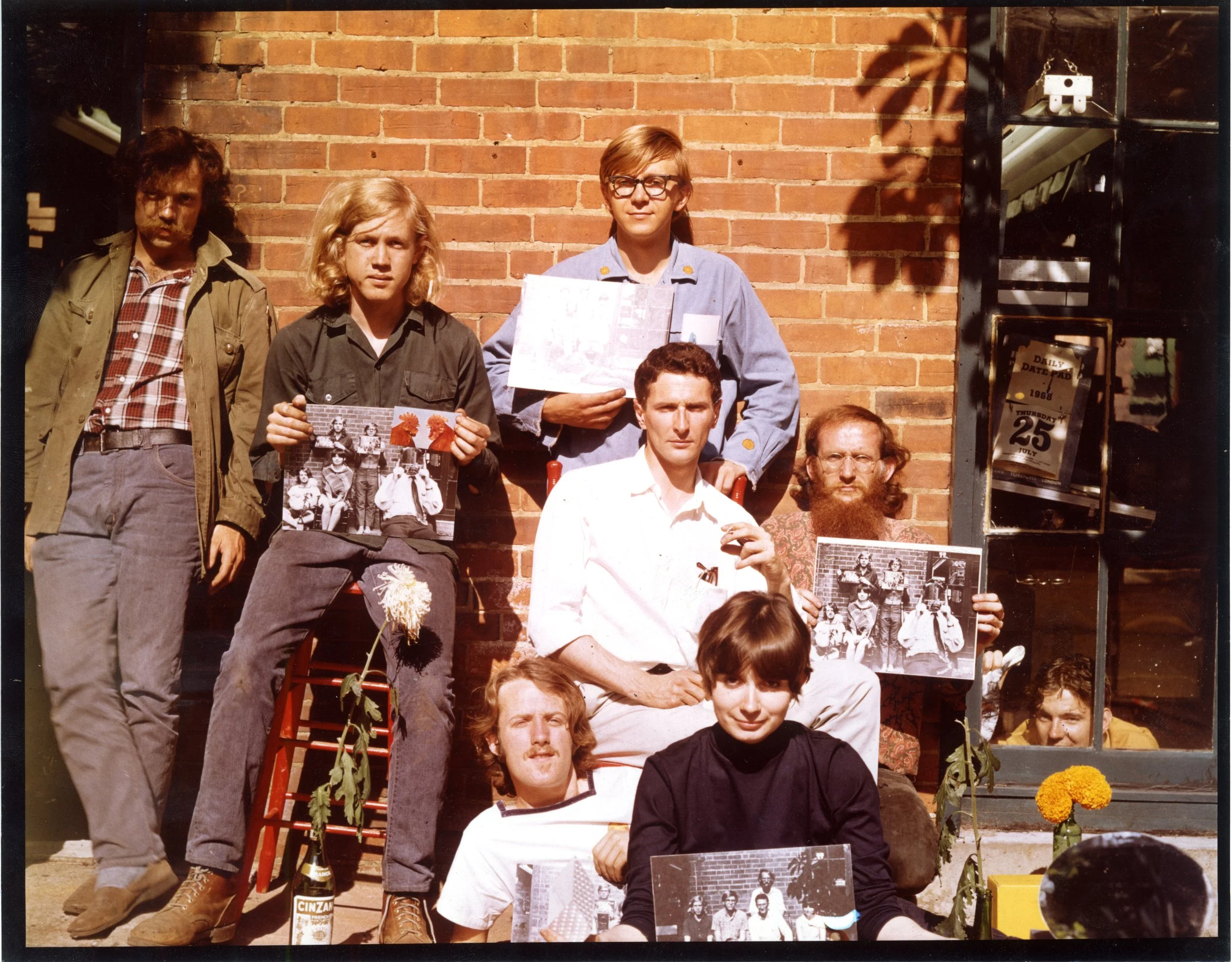
The Books of Coach House Press
Established in 1965, Coach House Books is the oldest small press in English Canada. It was the first English-language independent press to receive support from the Canada Council, in 1966. Two years later, Coach House became the in-house printer for Rochdale College, an experiment in higher education unlike anything Toronto had seen before. From the start, Coach House was a community as much as it was a printer or a publisher. Most attention to CHB has accordingly been on its activities as a printer and its involvement in foundational Toronto arts scenes: the books themselves often take a back seat to other stories. This seminar focusses on those books, from CHB’s first decade to the present, including fiction, non-fiction, and poetry. Most are, by most definitions, experimental; some were popular; a couple were both. Besides acquainting us with some significant Canadian writers, the seminar will explore the press’s contribution to experimental, small-press writing in Canada
Grad Seminar
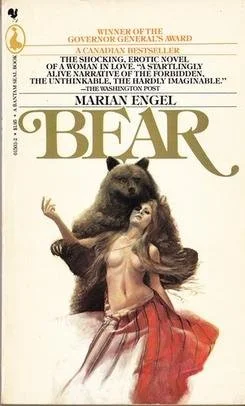
Canada Dark
This seminar studies a selection of Canadian fiction from the dark, experimental, controversial, and just plain strange side of its spectrum, starting with a short novel from the 1940s whose author’s mother burned every copy she could find and ending with a love story from the 2020s about gay sex with Christ. Besides acquainting ourselves with some of the bravest and weirdest books Canada has produced, we will explore together the definition of the terms used to describe its texts, words like “experimental” and “controversial.” What makes a book controversial? Are there limits to what fiction can do or say? Should there be? How do we talk about and teach difficult stories? Where and how do “difficult” and “strange” fit into Canada’s literary history and our cultural imagination? Also, why on earth would anyone want to have sex with a bear?